AFIRwhat applies to public charging stations
The Alternative Fuels Infrastructure Regulation (AFIR) has applied directly in all EU countries since 13 April 2024. It sets out how drivers pay at public stations, how prices are displayed and what data stations must provide.
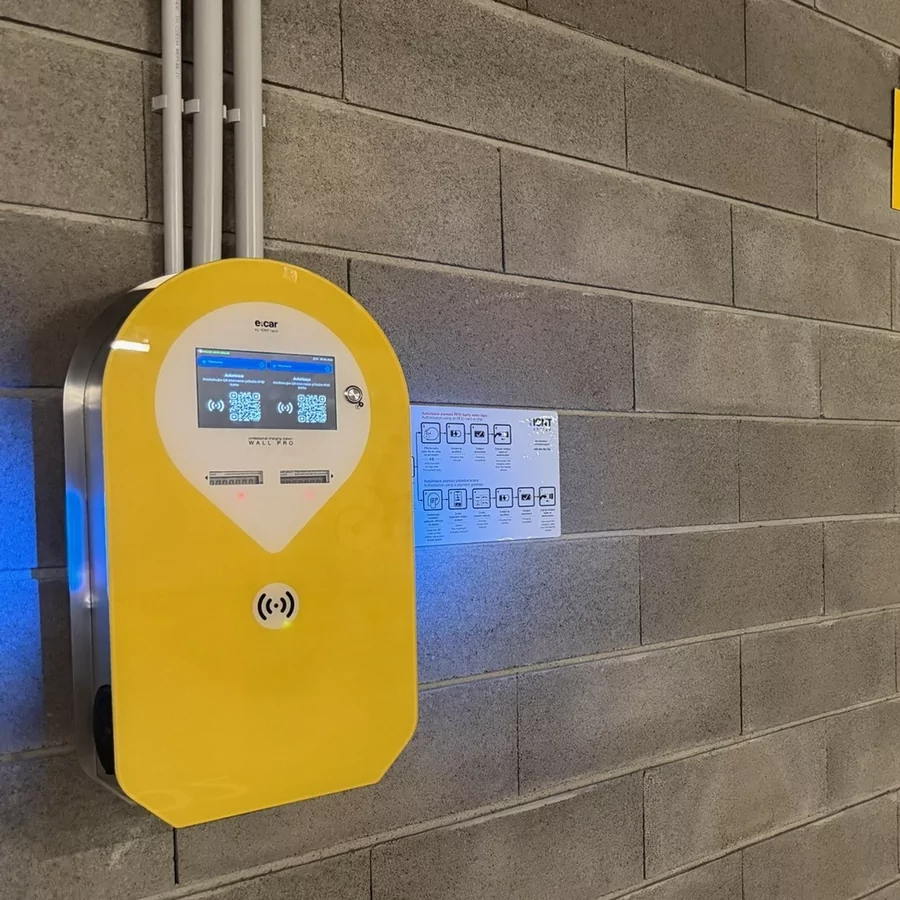
Public or non-public station
AFIR only covers publicly accessible charging points. What matters is whether the site serves the general public, not who owns the land.
Publicly accessible
- A car park open to anyone – at a shop, hotel, restaurant or on the street
- Also applies on private land
- A barrier, parking fee or registration alone does not change the public nature
Non-public
- Garage of a family house
- Company car park for employees and company cars only
- Residents’ garage in an apartment building
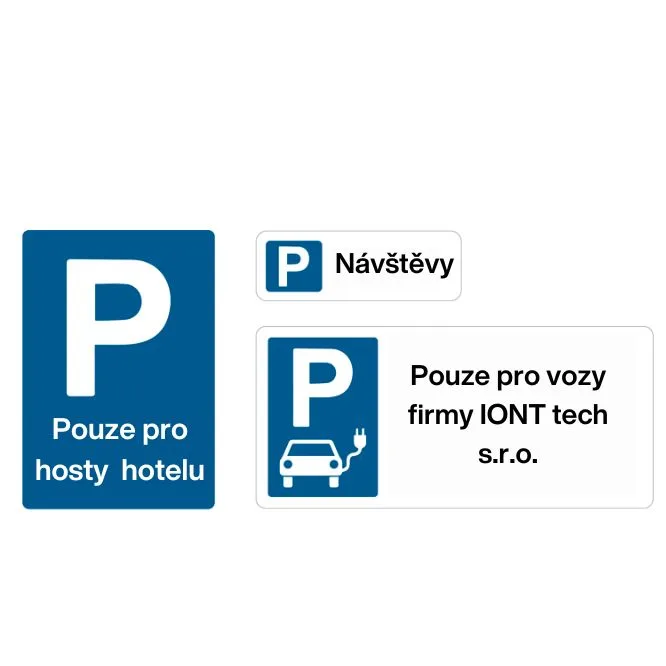
- The restriction is clearly marked, e.g. “Company vehicles only”
A visible restriction is what counts
A site is non-public when the operator visibly limits use to a specific group, for example with a “Hotel guests only” or “Company vehicles only” sign.
In unclear cases (such as a car park “for customers”) we recommend assuming the station is public and choosing the AFIR version straight away.
Ad hoc charging without a contract
Every public station must allow drivers to charge and pay ad hoc – without registration, an app or a contract with the operator.
| New public stations (from 13 Apr 2024) | Permitted payment methods |
|---|---|
| Below 50 kW (typically AC) | a payment card reader, or a contactless device able to read payment cards, or an internet-connected device, for example a dynamic QR code |
| 50 kW and above (DC) | a payment card reader, or a contactless device able to read payment cards |
Stations below 50 kW therefore do not need a card terminal – secure payment via a QR code on the display is enough. Several charging points at one site can also share a single terminal.
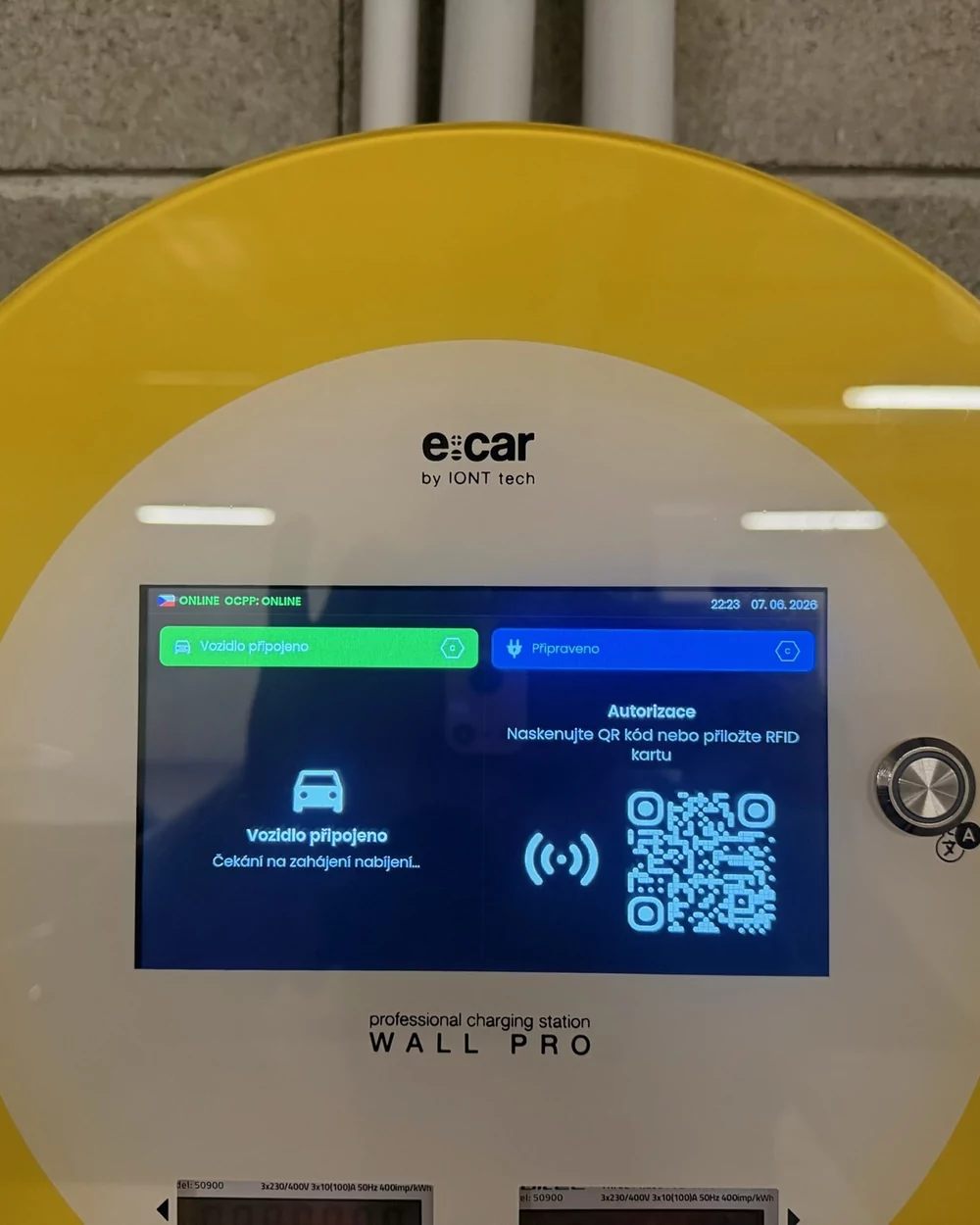
Payment via a QR code on the display
The driver scans the QR code with a phone, sees the price and pays by card or bank transfer. No registration, no app, no charging card.
This is how our PREMIUM AFIR stations work, and how drivers pay at the stations we operate for our customers.
What else AFIR requires
Price upfront
The ad hoc price must be known before charging. At stations of 50 kW and above it is displayed on the station itself; at smaller ones it must be clearly and easily available – for example on the display or after scanning the QR code.
Digitally connected stations
Public stations built after 13 April 2024 must be digitally connected and capable of smart charging.
Station data
The operator makes data on location, power, availability and price available through the national access point.
DC retrofit
From 1 January 2027, existing public stations of 50 kW and above on the TEN-T network must also accept card payment.
No need to retrofit AC stations
The retrofit obligation only concerns existing stations of 50 kW and above on the TEN-T network. Existing AC stations and stations below 50 kW do not need to be retrofitted.
AFIR-ready stations
We supply public stations in the PREMIUM AFIR version: a dynamic QR code on the display, OCPP 1.6J and 2.0.1, and a MID billing meter for each output.
e:car WALL PRO PREMIUM AFIR
Wall-mounted station with two outputs of up to 2× 22 kW, a MID meter for each output, a 7″ display and QR code payment.
Station details →e:car COLUMN PREMIUM AFIR
Free-standing post for two cars, 2× 22 kW, a MID meter for each output, a 5″ display and QR code payment.
Station details →We operate the station for you
Don’t want to be the operator? We open the station to the public and handle payments and reporting obligations.
Public station operation →Frequently asked questions
When did AFIR come into force?
Regulation (EU) 2023/1804 was published in the Official Journal of the EU on 22 September 2023 and has applied since 13 April 2024. As a regulation it applies directly in all member states without national implementing legislation.
Does every public station need a payment terminal?
No. A card terminal or contactless card reader is mandatory for new public stations of 50 kW and above. Stations below 50 kW may use an internet-connected device instead, typically a dynamic QR code.
Does AFIR apply to a station at a company or in a home garage?
Only if it is publicly accessible. Stations for employees, company cars, residents of an apartment building or in a family house garage are not public, provided the restriction is clearly marked.
Do I have to retrofit existing AC stations?
No. From 1 January 2027 the retrofit obligation only applies to existing public stations of 50 kW and above on the trans-European TEN-T transport network.
How must the price be displayed?
The driver must know the ad hoc price before charging starts. At stations of 50 kW and above the price is shown on the station; at stations below 50 kW it must be clearly and easily available, for example on the display or after scanning the QR code.
Source
Want a public station without the hassle?
We supply an AFIR-ready station and, if you wish, operate it for you – card payments, pricing, monitoring and reporting.
AFIRwhat applies to public charging stations
The Alternative Fuels Infrastructure Regulation (AFIR) has applied directly in all EU countries since 13 April 2024. It sets out how drivers pay at public stations, how prices are displayed and what data stations must provide.
Public or non-public station
AFIR only covers publicly accessible charging points. What matters is whether the site serves the general public, not who owns the land.
Publicly accessible
- A car park open to anyone – at a shop, hotel, restaurant or on the street
- Also applies on private land
- A barrier, parking fee or registration alone does not change the public nature
Non-public
- Garage of a family house
- Company car park for employees and company cars only
- Residents’ garage in an apartment building
- The restriction is clearly marked, e.g. “Company vehicles only”
A visible restriction is what counts
A site is non-public when the operator visibly limits use to a specific group, for example with a “Hotel guests only” or “Company vehicles only” sign.
In unclear cases (such as a car park “for customers”) we recommend assuming the station is public and choosing the AFIR version straight away.
Ad hoc charging without a contract
Every public station must allow drivers to charge and pay ad hoc – without registration, an app or a contract with the operator.
| New public stations (from 13 Apr 2024) | Permitted payment methods |
|---|---|
| Below 50 kW (typically AC) | a payment card reader, or a contactless device able to read payment cards, or an internet-connected device, for example a dynamic QR code |
| 50 kW and above (DC) | a payment card reader, or a contactless device able to read payment cards |
Stations below 50 kW therefore do not need a card terminal – secure payment via a QR code on the display is enough. Several charging points at one site can also share a single terminal.
Payment via a QR code on the display
The driver scans the QR code with a phone, sees the price and pays by card or bank transfer. No registration, no app, no charging card.
This is how our PREMIUM AFIR stations work, and how drivers pay at the stations we operate for our customers.
What else AFIR requires
Price upfront
The ad hoc price must be known before charging. At stations of 50 kW and above it is displayed on the station itself; at smaller ones it must be clearly and easily available – for example on the display or after scanning the QR code.
Digitally connected stations
Public stations built after 13 April 2024 must be digitally connected and capable of smart charging.
Station data
The operator makes data on location, power, availability and price available through the national access point.
DC retrofit
From 1 January 2027, existing public stations of 50 kW and above on the TEN-T network must also accept card payment.
No need to retrofit AC stations
The retrofit obligation only concerns existing stations of 50 kW and above on the TEN-T network. Existing AC stations and stations below 50 kW do not need to be retrofitted.
AFIR-ready stations
We supply public stations in the PREMIUM AFIR version: a dynamic QR code on the display, OCPP 1.6J and 2.0.1, and a MID billing meter for each output.
e:car WALL PRO PREMIUM AFIR
Wall-mounted station with two outputs of up to 2× 22 kW, a MID meter for each output, a 7″ display and QR code payment.
Station details →e:car COLUMN PREMIUM AFIR
Free-standing post for two cars, 2× 22 kW, a MID meter for each output, a 5″ display and QR code payment.
Station details →We operate the station for you
Don’t want to be the operator? We open the station to the public and handle payments and reporting obligations.
Public station operation →Frequently asked questions
When did AFIR come into force?
Regulation (EU) 2023/1804 was published in the Official Journal of the EU on 22 September 2023 and has applied since 13 April 2024. As a regulation it applies directly in all member states without national implementing legislation.
Does every public station need a payment terminal?
No. A card terminal or contactless card reader is mandatory for new public stations of 50 kW and above. Stations below 50 kW may use an internet-connected device instead, typically a dynamic QR code.
Does AFIR apply to a station at a company or in a home garage?
Only if it is publicly accessible. Stations for employees, company cars, residents of an apartment building or in a family house garage are not public, provided the restriction is clearly marked.
Do I have to retrofit existing AC stations?
No. From 1 January 2027 the retrofit obligation only applies to existing public stations of 50 kW and above on the trans-European TEN-T transport network.
How must the price be displayed?
The driver must know the ad hoc price before charging starts. At stations of 50 kW and above the price is shown on the station; at stations below 50 kW it must be clearly and easily available, for example on the display or after scanning the QR code.
Source
Want a public station without the hassle?
We supply an AFIR-ready station and, if you wish, operate it for you – card payments, pricing, monitoring and reporting.