e:car IZSstops an electric car from moving
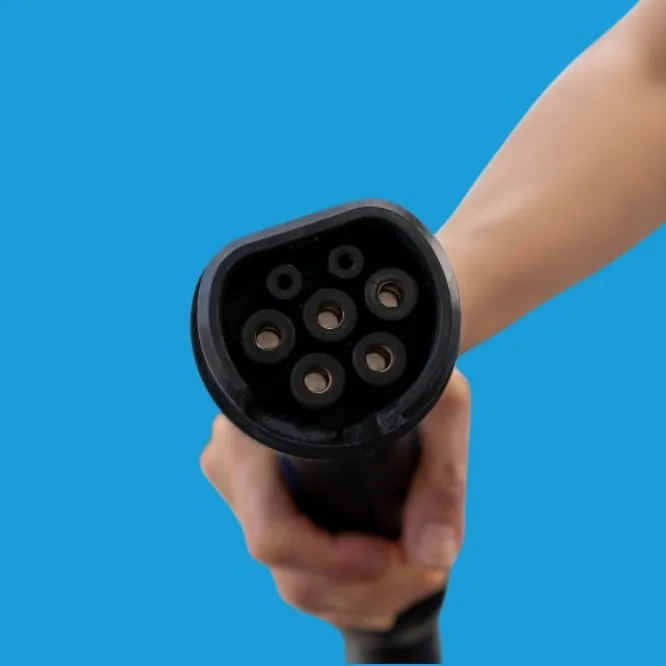
A rescue connector for accidents and fires involving electric cars and plug-in hybrids. Once plugged into the charging port, the vehicle assumes it is charging, disables its powertrain and stays put.
CZK 12,087.90 incl. VAT·CZK 9,990 excl. VAT

A burning electric car can start moving
Suddenly and with full force. After an accident the vehicle often stays energised and the electric motor is silent – you cannot hear that the car is ready to drive.
Driver in shock or unconscious
An injured person inside the vehicle may press the accelerator pedal unintentionally.
Short circuit in the wiring
A fire or crash damage can cause a short circuit and an uncontrolled launch of the car.
Silent drive
An electric car moves off without warning. Rescuers in front of or behind the vehicle are in direct danger.
Two rules when responding to an electric car
1. Never stand in front of or behind the vehicle – approach from the sides only. 2. Plug in the e:car IZS connector as soon as possible.
The car thinks it is charging
The connector plugs into the Type 2 charging port and simulates the charging process. The vehicle treats it as a connected charger: it shifts to “P”, applies the electric parking brake and disables its powertrain.
The car stops immediately and rescuers can work safely.
- Uses the vehicle’s own safety logic – no cutting of cables and no tools
- Complies with IEC 62196-1 (Type 2) and IEC 61851-1
- Does not get stuck in the port and is easy to remove after the operation
- Fully reusable

Procedure at an accident or fire
For battery electric (BEV) and plug-in hybrid (PHEV) vehicles.
Approach from the sides
People move only along the sides of the vehicle, never in front of or behind it.
Plug in e:car IZS
Insert the connector into the charging port – the vehicle is secured against unwanted movement.
Operation
Rescue services extricate people or extinguish the fire.
Remove the connector
After the operation, remove the connector – it is ready for the next use.
Equipment for emergency services
Fire brigades
Secure the vehicle before firefighting and extricating people from an electric car or plug-in hybrid.
Police
Police patrols are often first at the crash scene. They secure the vehicle before other units arrive.
Ambulance service
Protects paramedics treating injured people inside or next to the vehicle.
The connector in action


Technical specifications
| Name | e:car IZS |
|---|---|
| Type | modified Type 2 connector |
| Standards | IEC 62196-1, IEC 61851-1 |
| Vehicles | battery electric (BEV) and plug-in hybrid (PHEV) vehicles with a Type 2 port |
| Function | charging simulation – powertrain disabled, vehicle secured against movement |
| Use | indoor and outdoor, reusable |
| Packaging | IP55 sealed case with shaped foam, 360 × 290 × 165 mm |
| Manufacturer | IONT tech s.r.o., Czech Republic |
e:car IZS connector
Supplied in an IP55 sealed case with shaped foam – ready for the emergency vehicle’s kit.
Frequently asked questions
Which vehicles does the connector work with?
Electric cars and plug-in hybrids with a Type 2 port according to IEC 62196-1 – the port used by vehicles on European roads.
Does the connector charge the vehicle?
No. The connector only simulates charging. The vehicle therefore disables its powertrain and stays put; no energy is transferred.
Are tools or work on the wiring needed?
No. The connector is simply plugged into the vehicle’s charging port. It uses safety functions built in by the vehicle manufacturer.
Can the connector be reused?
Yes. After the operation it is easy to remove, it does not get stuck in the port and is ready for the next use.
When should the connector be plugged in?
As soon as possible, right after a safe approach to the vehicle from the side. Until the connector is plugged in, nobody may stand in front of or behind the vehicle.
Can we order several units for a whole unit?
Yes. For larger orders or technical questions, contact us and we will prepare a quote.
Equipping emergency units?
For larger orders or technical questions, please get in touch.
e:car IZSstops an electric car from moving
A rescue connector for accidents and fires involving electric cars and plug-in hybrids. Once plugged into the charging port, the vehicle assumes it is charging, disables its powertrain and stays put.
CZK 12,087.90 incl. VAT·CZK 9,990 excl. VAT
A burning electric car can start moving
Suddenly and with full force. After an accident the vehicle often stays energised and the electric motor is silent – you cannot hear that the car is ready to drive.
Driver in shock or unconscious
An injured person inside the vehicle may press the accelerator pedal unintentionally.
Short circuit in the wiring
A fire or crash damage can cause a short circuit and an uncontrolled launch of the car.
Silent drive
An electric car moves off without warning. Rescuers in front of or behind the vehicle are in direct danger.
Two rules when responding to an electric car
1. Never stand in front of or behind the vehicle – approach from the sides only. 2. Plug in the e:car IZS connector as soon as possible.
The car thinks it is charging
The connector plugs into the Type 2 charging port and simulates the charging process. The vehicle treats it as a connected charger: it shifts to “P”, applies the electric parking brake and disables its powertrain.
The car stops immediately and rescuers can work safely.
- Uses the vehicle’s own safety logic – no cutting of cables and no tools
- Complies with IEC 62196-1 (Type 2) and IEC 61851-1
- Does not get stuck in the port and is easy to remove after the operation
- Fully reusable
Procedure at an accident or fire
For battery electric (BEV) and plug-in hybrid (PHEV) vehicles.
Approach from the sides
People move only along the sides of the vehicle, never in front of or behind it.
Plug in e:car IZS
Insert the connector into the charging port – the vehicle is secured against unwanted movement.
Operation
Rescue services extricate people or extinguish the fire.
Remove the connector
After the operation, remove the connector – it is ready for the next use.
Equipment for emergency services
Fire brigades
Secure the vehicle before firefighting and extricating people from an electric car or plug-in hybrid.
Police
Police patrols are often first at the crash scene. They secure the vehicle before other units arrive.
Ambulance service
Protects paramedics treating injured people inside or next to the vehicle.
The connector in action
Technical specifications
| Name | e:car IZS |
|---|---|
| Type | modified Type 2 connector |
| Standards | IEC 62196-1, IEC 61851-1 |
| Vehicles | battery electric (BEV) and plug-in hybrid (PHEV) vehicles with a Type 2 port |
| Function | charging simulation – powertrain disabled, vehicle secured against movement |
| Use | indoor and outdoor, reusable |
| Packaging | IP55 sealed case with shaped foam, 360 × 290 × 165 mm |
| Manufacturer | IONT tech s.r.o., Czech Republic |
e:car IZS connector
Supplied in an IP55 sealed case with shaped foam – ready for the emergency vehicle’s kit.
Frequently asked questions
Which vehicles does the connector work with?
Electric cars and plug-in hybrids with a Type 2 port according to IEC 62196-1 – the port used by vehicles on European roads.
Does the connector charge the vehicle?
No. The connector only simulates charging. The vehicle therefore disables its powertrain and stays put; no energy is transferred.
Are tools or work on the wiring needed?
No. The connector is simply plugged into the vehicle’s charging port. It uses safety functions built in by the vehicle manufacturer.
Can the connector be reused?
Yes. After the operation it is easy to remove, it does not get stuck in the port and is ready for the next use.
When should the connector be plugged in?
As soon as possible, right after a safe approach to the vehicle from the side. Until the connector is plugged in, nobody may stand in front of or behind the vehicle.
Can we order several units for a whole unit?
Yes. For larger orders or technical questions, contact us and we will prepare a quote.
Equipping emergency units?
For larger orders or technical questions, please get in touch.