How to charge an electric carat home, at work and on the road
Most drivers charge at home or at work while the car is parked. Rapid charging is mainly for long trips. We explain the difference between AC and DC, a socket and a wallbox, how long charging takes and how to look after the battery.
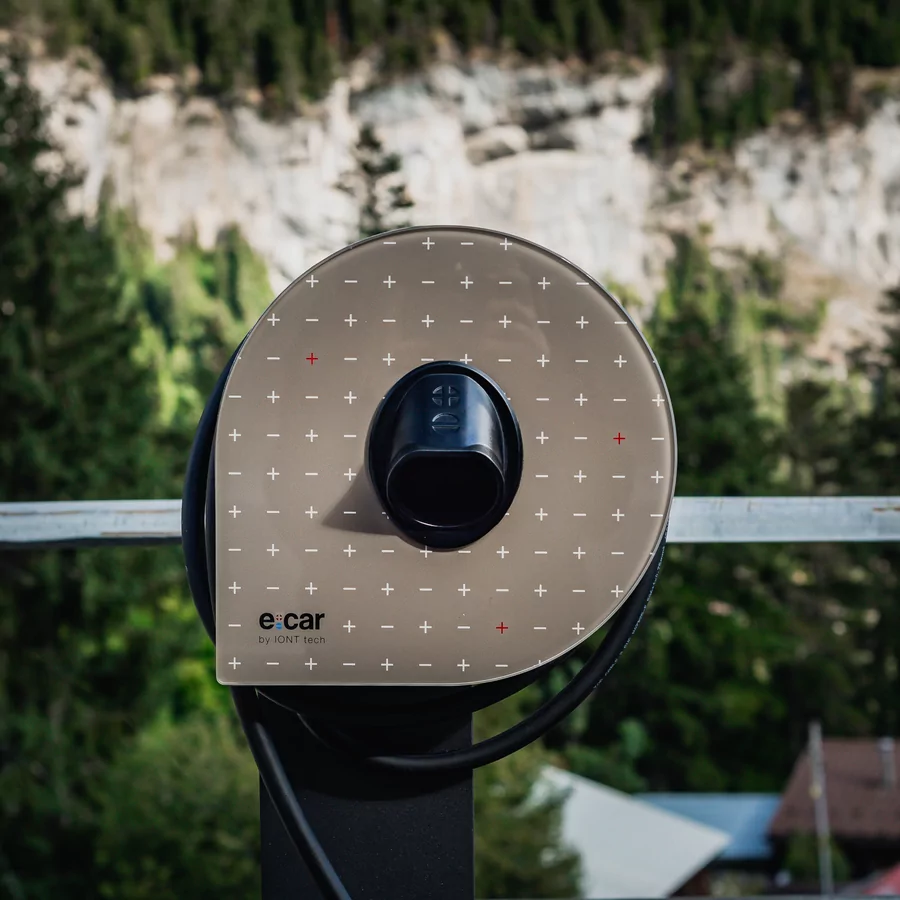
Four places to charge your car
At home
The cheapest and most convenient. You charge overnight with a wallbox in the garage or by the house and the car is ready in the morning.
Home wallbox →At work
The car is parked for the whole shift, so an AC station is enough. Employees value it as a benefit.
Workplace charging →Public AC stations
At shops, hotels and car parks. You charge while shopping or running errands. Pay with an app, an RFID card or, at new stations, ad hoc by card without registration.
What the AFIR regulation says →Rapid charging on the road
DC stations along motorways and main roads add energy in tens of minutes. Ideal for long trips, not for everyday charging.
e:car DC WALL DC wallbox →Alternating or direct current
A battery is always charged with direct current. The difference is where the alternating current from the grid is converted: with AC charging in the car’s on-board charger, with DC charging in the station itself.
| AC charging | DC charging | |
|---|---|---|
| Where | at home, at work, at shops and hotels | along motorways, at companies with fleets, in charging hubs |
| Power | 3.7–22 kW, limited by the car’s on-board charger (usually 11 kW) | tens to hundreds of kW, limited by the car and the battery state |
| Connector | Type 2 | CCS2 (older cars CHAdeMO) |
| Typical time | hours – overnight or during a shift | tens of minutes |
| Price per kWh | lowest at home | usually the highest |
| For the battery | gentle, ideal for everyday charging | best kept for trips |
Socket or wallbox
Standard 230 V socket
With the portable charger supplied with the car you charge at about 2.3 kW, i.e. roughly 11 km of range per hour. Fine as an emergency or occasional solution – a standard socket is not designed for many hours of load every day.
11 kW wallbox
A three-phase wallbox adds about 55 km of range per hour and has protections for long charging sessions. The SMART model also protects the main breaker and can charge from solar surplus.
22 kW wallbox
Up to 110 km per hour if the car’s on-board charger allows it. We recommend it as headroom for the future – the power can be limited to what the house and car can handle today.
Range per hour is calculated with a consumption of 18 kWh per 100 km and a 10% AC charging loss, just like our calculator.
How long it takes
Example: a 60 kWh battery charged from 20 to 80%, i.e. 36 kWh.
Not enough in one night – suitable for smaller top-ups.
Easily overnight with plenty of headroom.
A coffee break on a long trip.
How much does charging at home cost
At home you pay the electricity price of your tariff. Charging is cheapest at the low tariff, with a spot tariff during low-price hours, or from your own solar surplus. Public AC and especially DC charging tends to be considerably more expensive.
How to look after the battery
- For everyday driving, charging to 80% is enough; for a long trip charge to 100% shortly before departure.
- Follow the car manufacturer’s advice – for LFP batteries manufacturers recommend regularly charging to 100%.
- Don’t leave the car standing for long with an almost empty or completely full battery.
- Use AC for everyday charging and keep DC rapid charging for trips.
- In winter set charging to finish at your departure time – the battery will be warm when you set off.
Frequently asked questions
Can I charge an electric car from a standard socket?
Yes, with a portable charger at about 2.3 kW, i.e. roughly 11 km of range per hour. That is enough for occasional charging; for everyday charging we recommend a wallbox, which is built for continuous load and charges about five times faster.
What is the difference between AC and DC charging?
With AC charging the car’s on-board charger converts alternating current to direct current, so the power is limited (usually 11 kW). With DC charging the converter is in the station and the power can be tens to hundreds of kW. AC is ideal for everyday charging, DC for trips.
How long does it take to charge an electric car?
It depends on the power and battery size. Charging 36 kWh (a 60 kWh battery from 20 to 80%) takes about 17 hours from a socket, about 3.6 hours with an 11 kW wallbox and about 45 minutes at a 50 kW DC station. Our calculator gives the exact figure for your car.
Will a 22 kW wallbox charge my car faster than an 11 kW one?
Only if the car has a 22 kW on-board charger. Most electric cars have 11 kW, so they charge just as fast on a 22 kW station as on an 11 kW one.
What percentage should I charge the battery to?
For everyday use 80% is usually enough; for a long trip charge to 100% shortly before departure. Follow the manufacturer’s advice, though – for LFP batteries regular charging to 100% is recommended.
Choosing a wallbox?
Tell us which car you have and where you will charge. We will recommend the power and version; installation is carried out by a certified IONT partner.
How to charge an electric carat home, at work and on the road
Most drivers charge at home or at work while the car is parked. Rapid charging is mainly for long trips. We explain the difference between AC and DC, a socket and a wallbox, how long charging takes and how to look after the battery.
Four places to charge your car
At home
The cheapest and most convenient. You charge overnight with a wallbox in the garage or by the house and the car is ready in the morning.
Home wallbox →At work
The car is parked for the whole shift, so an AC station is enough. Employees value it as a benefit.
Workplace charging →Public AC stations
At shops, hotels and car parks. You charge while shopping or running errands. Pay with an app, an RFID card or, at new stations, ad hoc by card without registration.
What the AFIR regulation says →Rapid charging on the road
DC stations along motorways and main roads add energy in tens of minutes. Ideal for long trips, not for everyday charging.
e:car DC WALL DC wallbox →Alternating or direct current
A battery is always charged with direct current. The difference is where the alternating current from the grid is converted: with AC charging in the car’s on-board charger, with DC charging in the station itself.
| AC charging | DC charging | |
|---|---|---|
| Where | at home, at work, at shops and hotels | along motorways, at companies with fleets, in charging hubs |
| Power | 3.7–22 kW, limited by the car’s on-board charger (usually 11 kW) | tens to hundreds of kW, limited by the car and the battery state |
| Connector | Type 2 | CCS2 (older cars CHAdeMO) |
| Typical time | hours – overnight or during a shift | tens of minutes |
| Price per kWh | lowest at home | usually the highest |
| For the battery | gentle, ideal for everyday charging | best kept for trips |
Socket or wallbox
Standard 230 V socket
With the portable charger supplied with the car you charge at about 2.3 kW, i.e. roughly 11 km of range per hour. Fine as an emergency or occasional solution – a standard socket is not designed for many hours of load every day.
11 kW wallbox
A three-phase wallbox adds about 55 km of range per hour and has protections for long charging sessions. The SMART model also protects the main breaker and can charge from solar surplus.
22 kW wallbox
Up to 110 km per hour if the car’s on-board charger allows it. We recommend it as headroom for the future – the power can be limited to what the house and car can handle today.
Range per hour is calculated with a consumption of 18 kWh per 100 km and a 10% AC charging loss, just like our calculator.
How long it takes
Example: a 60 kWh battery charged from 20 to 80%, i.e. 36 kWh.
Not enough in one night – suitable for smaller top-ups.
Easily overnight with plenty of headroom.
A coffee break on a long trip.
How much does charging at home cost
At home you pay the electricity price of your tariff. Charging is cheapest at the low tariff, with a spot tariff during low-price hours, or from your own solar surplus. Public AC and especially DC charging tends to be considerably more expensive.
How to look after the battery
- For everyday driving, charging to 80% is enough; for a long trip charge to 100% shortly before departure.
- Follow the car manufacturer’s advice – for LFP batteries manufacturers recommend regularly charging to 100%.
- Don’t leave the car standing for long with an almost empty or completely full battery.
- Use AC for everyday charging and keep DC rapid charging for trips.
- In winter set charging to finish at your departure time – the battery will be warm when you set off.
Frequently asked questions
Can I charge an electric car from a standard socket?
Yes, with a portable charger at about 2.3 kW, i.e. roughly 11 km of range per hour. That is enough for occasional charging; for everyday charging we recommend a wallbox, which is built for continuous load and charges about five times faster.
What is the difference between AC and DC charging?
With AC charging the car’s on-board charger converts alternating current to direct current, so the power is limited (usually 11 kW). With DC charging the converter is in the station and the power can be tens to hundreds of kW. AC is ideal for everyday charging, DC for trips.
How long does it take to charge an electric car?
It depends on the power and battery size. Charging 36 kWh (a 60 kWh battery from 20 to 80%) takes about 17 hours from a socket, about 3.6 hours with an 11 kW wallbox and about 45 minutes at a 50 kW DC station. Our calculator gives the exact figure for your car.
Will a 22 kW wallbox charge my car faster than an 11 kW one?
Only if the car has a 22 kW on-board charger. Most electric cars have 11 kW, so they charge just as fast on a 22 kW station as on an 11 kW one.
What percentage should I charge the battery to?
For everyday use 80% is usually enough; for a long trip charge to 100% shortly before departure. Follow the manufacturer’s advice, though – for LFP batteries regular charging to 100% is recommended.
Choosing a wallbox?
Tell us which car you have and where you will charge. We will recommend the power and version; installation is carried out by a certified IONT partner.